
Fire Department
The Laxgalts’ap Fire, Rescue and Enforcement Department helps protect the safety, health, and well-being of the community through emergency response, fire prevention, training, inspections, and public education. The department strengthens community preparedness, improves emergency coordination with neighbouring communities and agency partners, and supports residents before, during, and after emergencies.
We respond to emergencies, build local response capacity, and ensure that community members know where to turn when urgent help is needed. Our role extends beyond fire suppression to include prevention, operational readiness, resource coordination, situational awareness, and collaboration with emergency and public safety partners.
Our priority is to rebuild Emergency Medical Services as an integrated system providing high-quality pre-hospital care and transport, to serve as a vital bridge between the community and the health system.
As Village law enforcement officers, the department also helps uphold community safety and order by enforcing local Village Laws, investigating complaints, educating residents, and addressing violations related to fire prevention, building regulation, streets and traffic, animal control, garbage control, curfew, business regulation, and zoning.
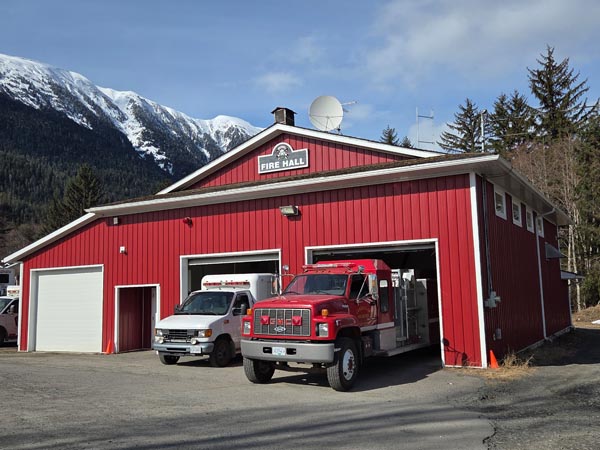
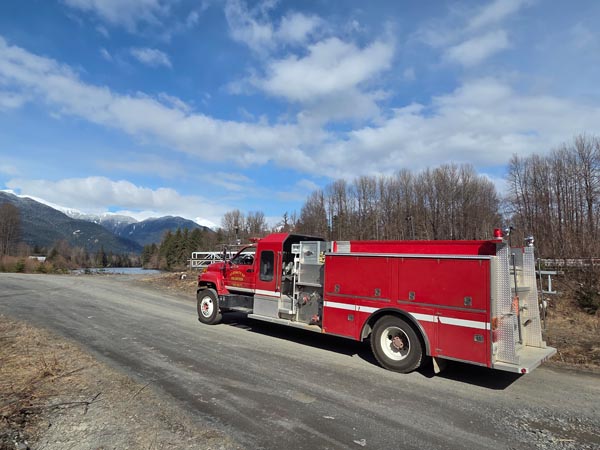
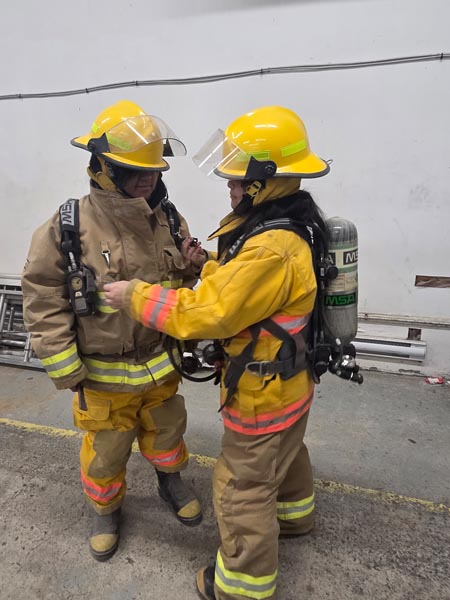
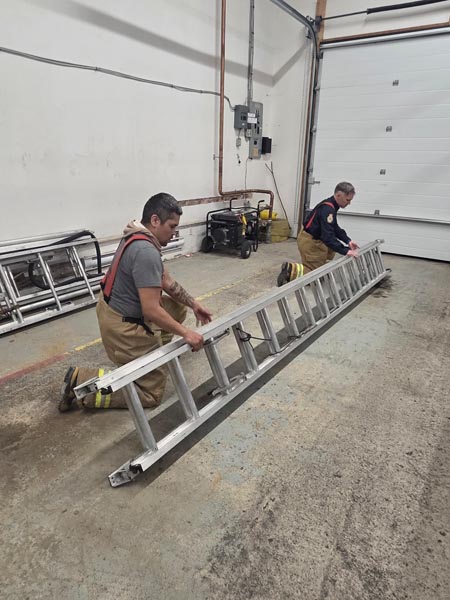
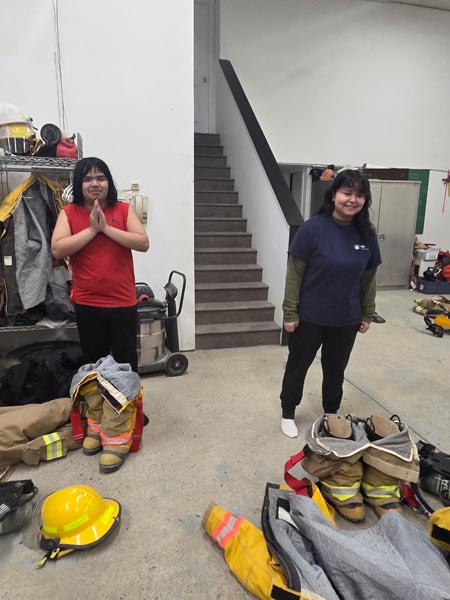
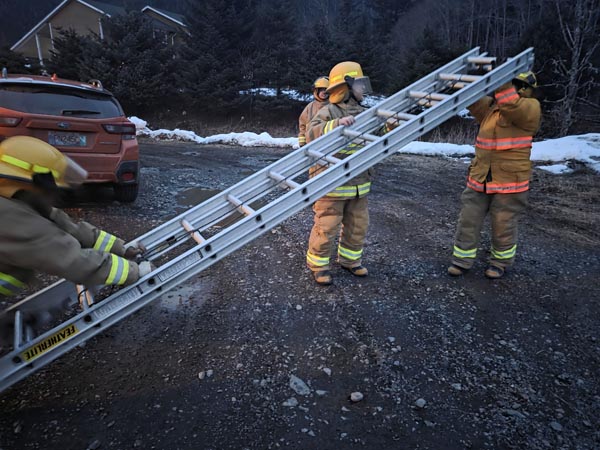
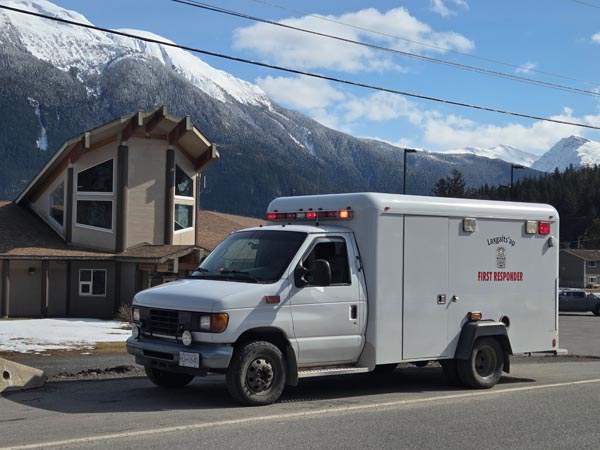
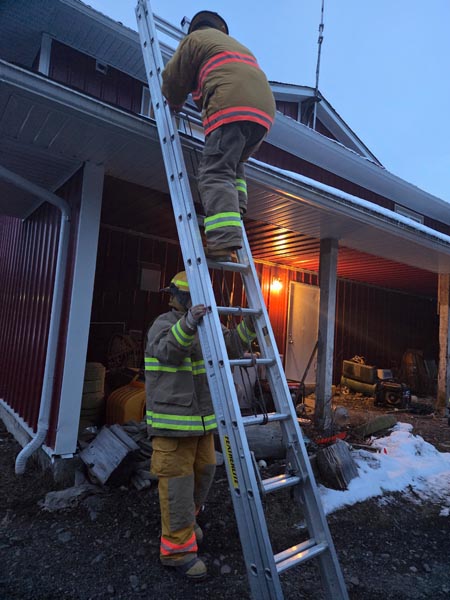
Latest Fire Department News
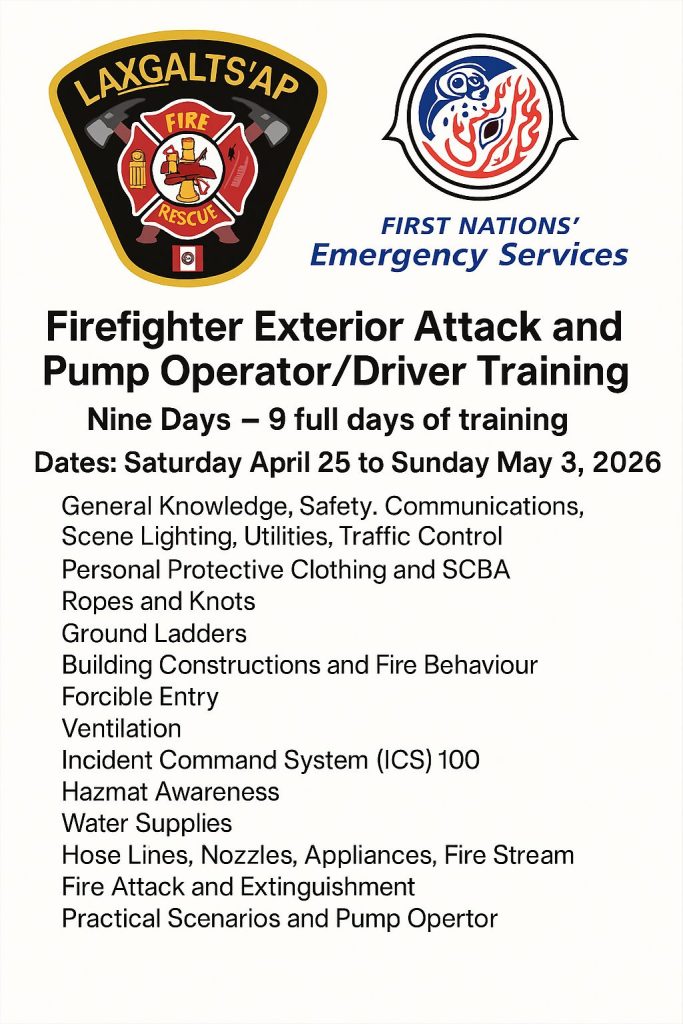
Our Role in the Community
- respond to structure fires, motor vehicle incidents, wildland urban interface fires, and other related emergency incidents
- support emergency response planning and coordination for the community
- assist with search & rescue and related public safety response
- promote fire prevention and emergency preparedness through public education
- conduct fire safety inspections on homes, community buildings and businesses.
- support wildfire readiness through FireSmart planning and fuel mitigation initiatives
- help improve emergency systems such as 911 mapping, civic addressing, and street signage
- support training, equipment upgrades, and long-term fire hall improvements
- work with schools and community members to build awareness around fire safety and emergency readiness
Emergency Medical Responder Program
- Rapid Dispatch: Utilizes sophisticated dispatching (EMD) to provide “pre-arrival” instructions to callers, such as CPR or choking assistance, essentially creating a “zero response time”.
- Timely Arrival: Deploys ambulances and first responders quickly, with response times that meet community standards to improve patient outcomes.
- Field Stabilization: Brings advanced, life-saving care to the patient’s side, including ECGs, medications, airway management, and trauma care.
- Skilled Personnel: Employs trained professionals (EMRs, EMTs, Paramedics) who are certified and capable of managing critical situations.
- Evidence-Based Protocols: Operates under strict clinical guidelines and medical oversight to ensure treatments are current and effective.
- Specialized Transport: Provides critical care transport for neonatal, pediatric, and adult patients, including air and ground support.
- “See and Treat” or “See and Refer”: A good system does not just transport everyone to the ER. It stabilizes patients at home or connects them to appropriate resources, reducing unnecessary emergency room visits.
- Targeted Transport: Transports patients to the right facility (e.g., trauma center, stroke center) rather than just the closest one.
- Seamless Handover: Provides clear, documented reports to hospital staff, facilitating a smooth transition of care.
- Community Paramedicine: Reaches underserved populations by providing in-home care for chronic conditions (e.g., COPD, diabetes), wound care, and vaccinations, often in rural or remote areas.
- Emergency Preparedness: Plays a key role in community disasters, such as wildfire evacuations or mass casualty incidents, by providing coordination and mobile treatment areas.
- Prevention and Education: Educates the public on safety, first aid, and risk management.
- Continuous Auditing: Uses data and incident reporting to perform audits, review cases, and improve care quality.
- Staff Well-being: Implements safety protocols, infection control, and mental health support (e.g., critical incident stress management) for its staff.
- Equipment Maintenance: Ensures ambulances and equipment are clean, fully stocked, and in top working order
The Enforcement Department Works to:
- Investigate: complaints by responding to reports from Community Members regarding violations.
- Inspections: Conducting on-site visits to homes, businesses, or public spaces to check for compliance.
- Enforcement Actions: Issuing warnings, fines, and orders to correct problems.
- Public Education: Informing residents about local bylaws.
- Documentation: Gathering evidence, taking photographs, and keeping detailed records of violations and actions taken.
- Conducting on-site visits to homes, businesses, and public buildings to check for compliance.
- Enforcement Actions: Issuing warnings, fines, and orders to correct problems.
- Public Education: Informing residents about local bylaws.
- Documentation: Gathering evidence, taking photographs, and keeping detailed records of violations and actions taken.
Services and Activities
The department responds to fire and safety incidents in the community and helps coordinate emergency action when urgent situations arise. This can include structure fires, wildland urban interface risk, emergency call response, and support during broader incidents affecting the village.
A key priority is building a strong, well-trained, and properly equipped firefighters service for the Nisga’a Village of Lax̱g̱alts’ap. This includes recruitment & retention, continuous training, developing and implementing standard operational guidelines, equipment readiness, and improving response capacity over time. The current Fire Chief role expressly includes leading and motivating the volunteer department and facilitating training and development.
The department helps reduce risk through regular safety inspections, developing and implementing prevention measures, all-hazards awareness, and community education. This includes hazard identification and emergency planning, before they become emergencies and promoting safe practices in homes, public buildings, and gatherings.
The Fire Department supports building community resilience by helping strengthen community emergency preparedness. This includes emergency planning, hazard, risk and vulnerability assessments, posting community information, response coordination, and helping residents understand how to be prepared for large-scale or long-term emergencies.
FireSmart is a comprehensive program designed to reduce the wildfire risks to homes and community buildings within the Nisga’a Village of Laxgalts’ap through education, mitigation, and practice steps. Based on scientific research, it offers tools, training, and resources to build community resiliency, including landscaping techniques, home assessments, and education programs for schools and adults.
FireSmart utilizes a framework including education, vegetation management, legislation and planning, development, interagency cooperation, cross-training, and emergency planning.
The Fire Department may also work alongside or in coordination with related public safety and emergency functions, including:
- Nisga’a Lisims Governments Emergency Response Services Department
- BC and Nisga’a Wildfire Crews
- local search and rescue support
- firefighter health & safety planning
- safety inspections and compliance-related safety matters
- public education for schools and families
- ambulance or medical-response program development, where applicable
Resources
Village Law Permits
- Pet License Application
- Business Licenses
- Parade and Procession Permits
- Home-Based Business Permits


